Published: 30.6.2026.
BusCARD 4.0 IoT Successfully Presented at the Open Day: Functional Prototype of the New Driver Control Computer One Step Closer to Market
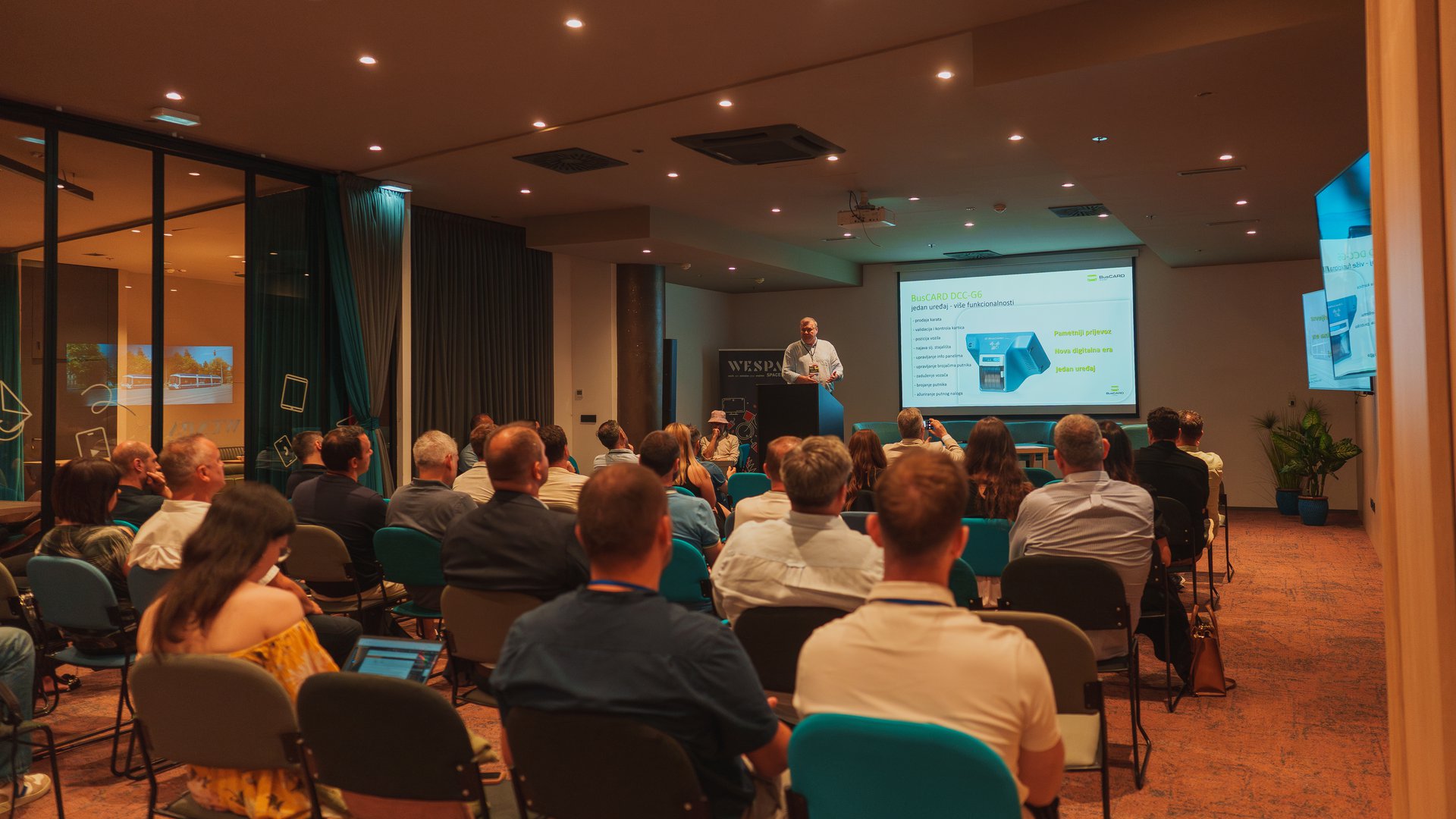
PENTA successfully hosted the Open Day of the EU-funded BusCARD 4.0 IoT project, where the project and the functional prototype of the innovative Driver Control Computer (DCC) for public passenger transport vehicles were officially presented.
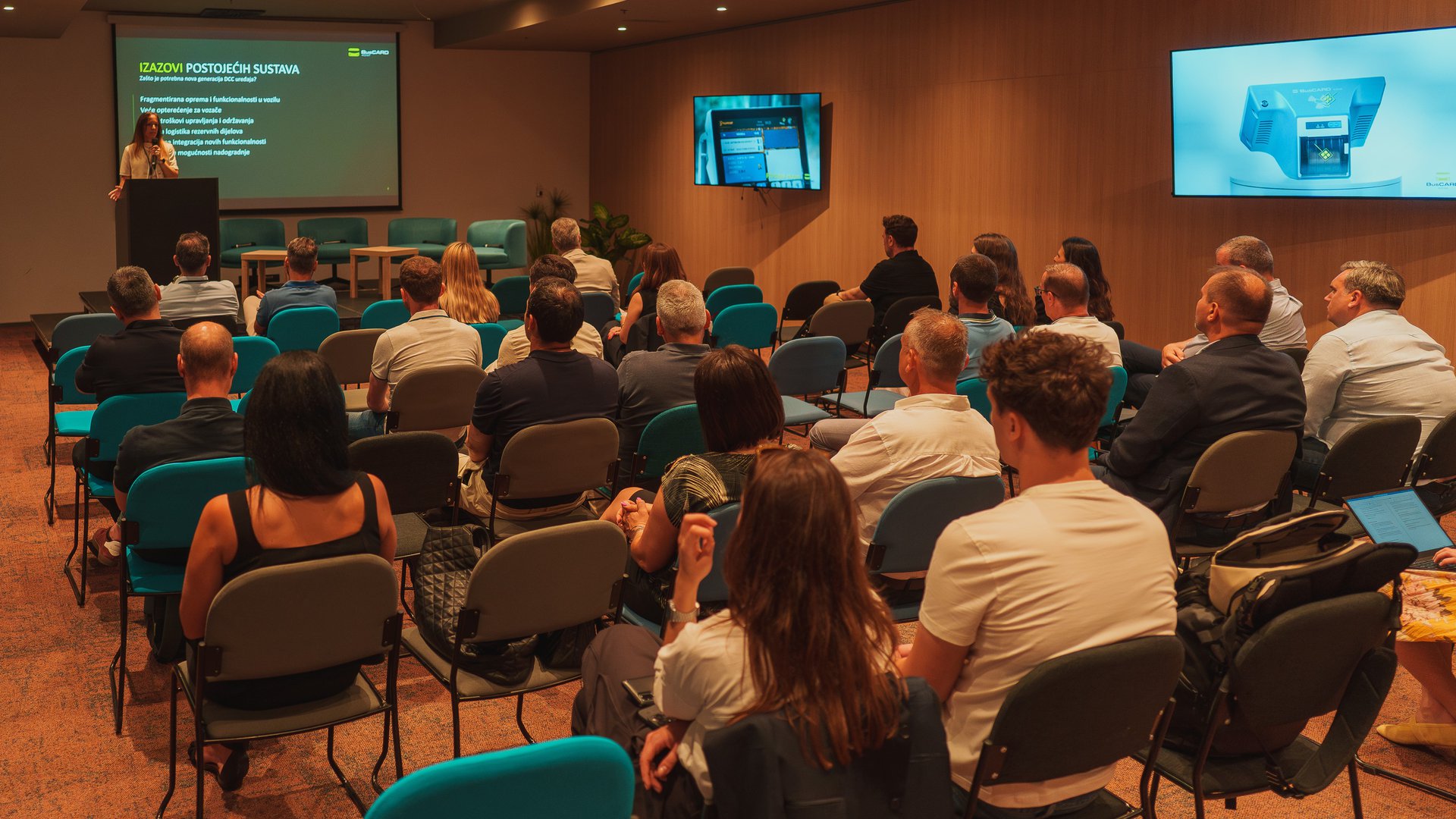
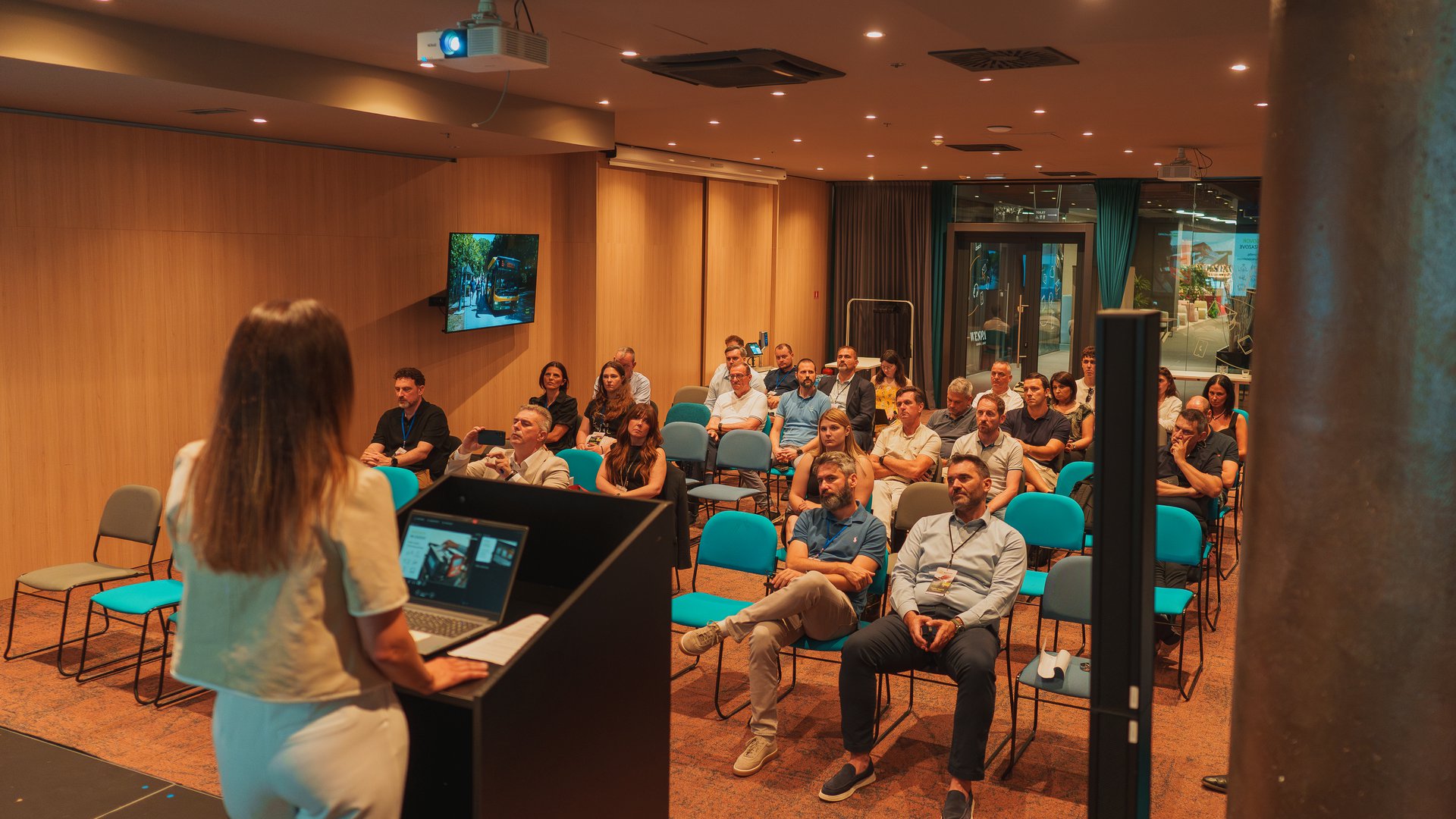
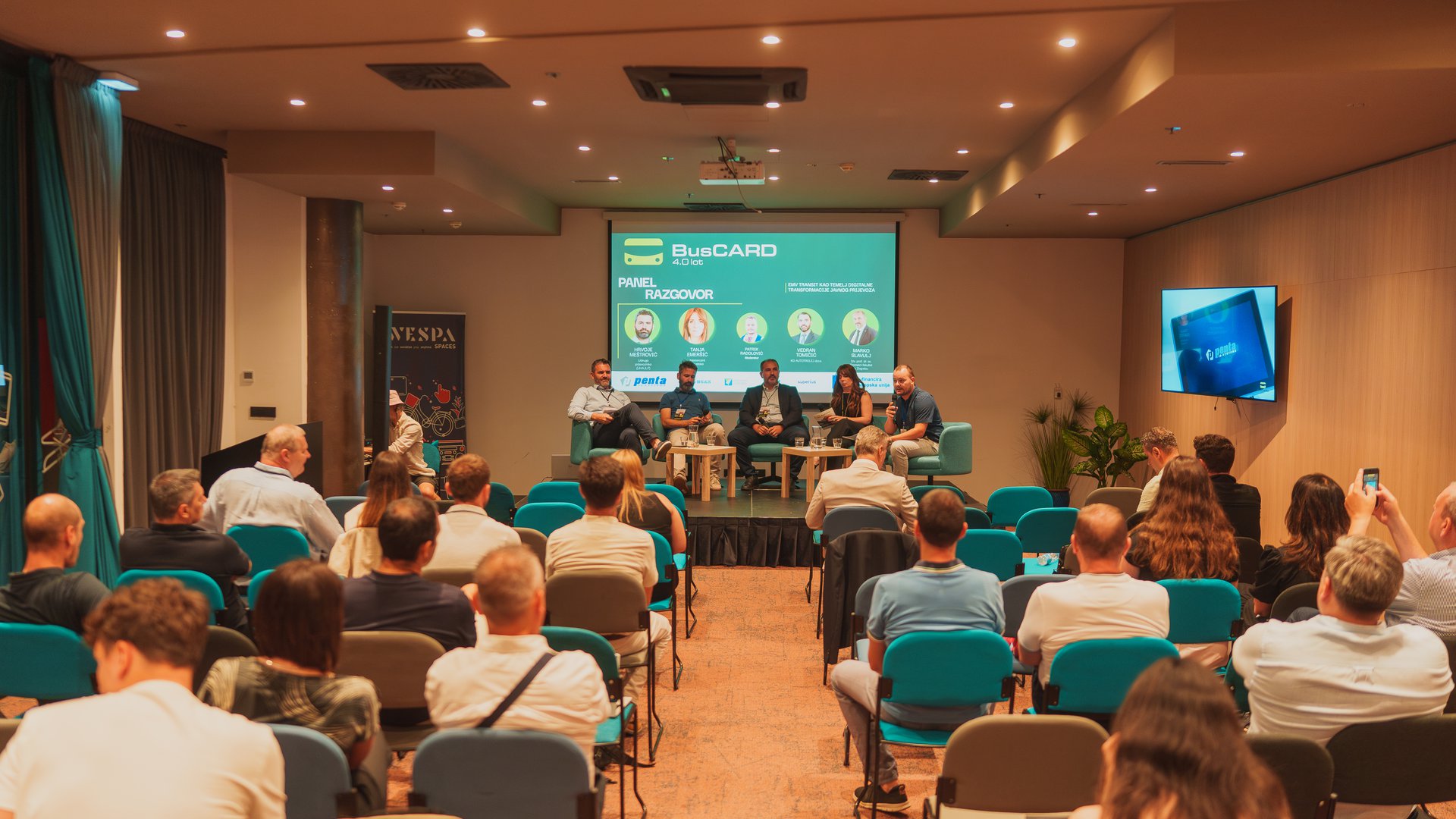
The event took place at WESPA Business & Lounge in Zagreb and brought together representatives of public transport operators, public institutions, academia, the ICT sector, project partners, and the media.
The BusCARD 4.0 IoT project is implemented by PENTA in partnership with DS&S, EINEL, SUPERIUS, and the Istrian University of Applied Sciences, and is co-funded by the European Union through the Integrated Territorial Programme.
The Result of 18 Months of Industrial Research
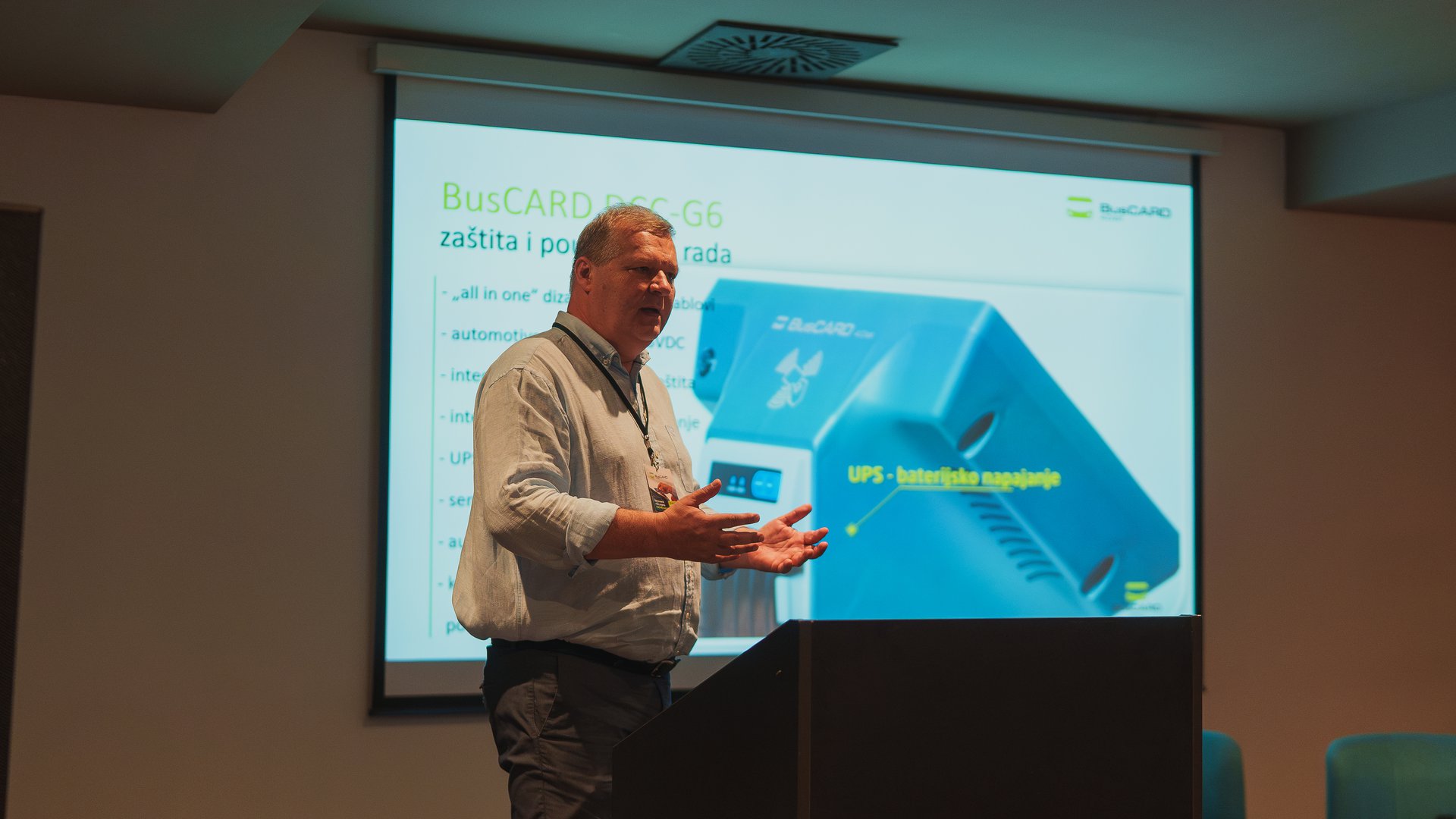
In her opening address, Andrea Mihaljević Pulić, Project Coordinator, presented the project's development journey and highlighted the significant technological progress achieved over the past 18 months. "Our goal was to develop a device capable of integrating multiple functionalities while seamlessly connecting with other onboard vehicle systems. Today, we can confidently say that we have achieved that goal. Behind us are 18 months of intensive research and development during which we analysed commercially available components, defined the system's technical requirements, developed electronic modules, designed the enclosure and software, and conducted extensive laboratory testing. We are particularly proud of the development of the EMV Transit payment model, which represents one of the key functionalities of the future solution." The prototype presented integrates functions that have traditionally been distributed across several separate devices into a single all-in-one system designed for public transport operations.
One Device - Multiple Functions
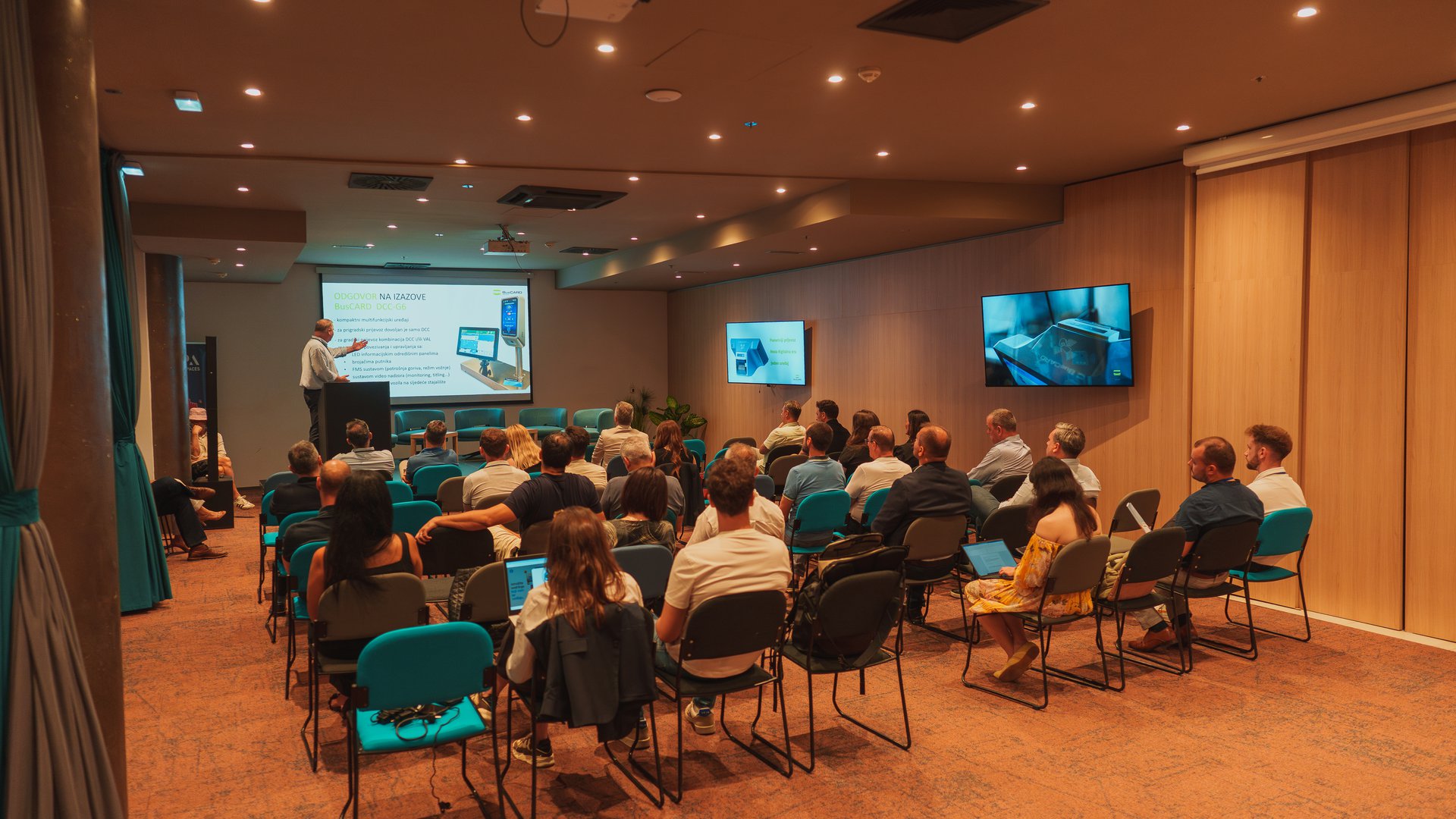
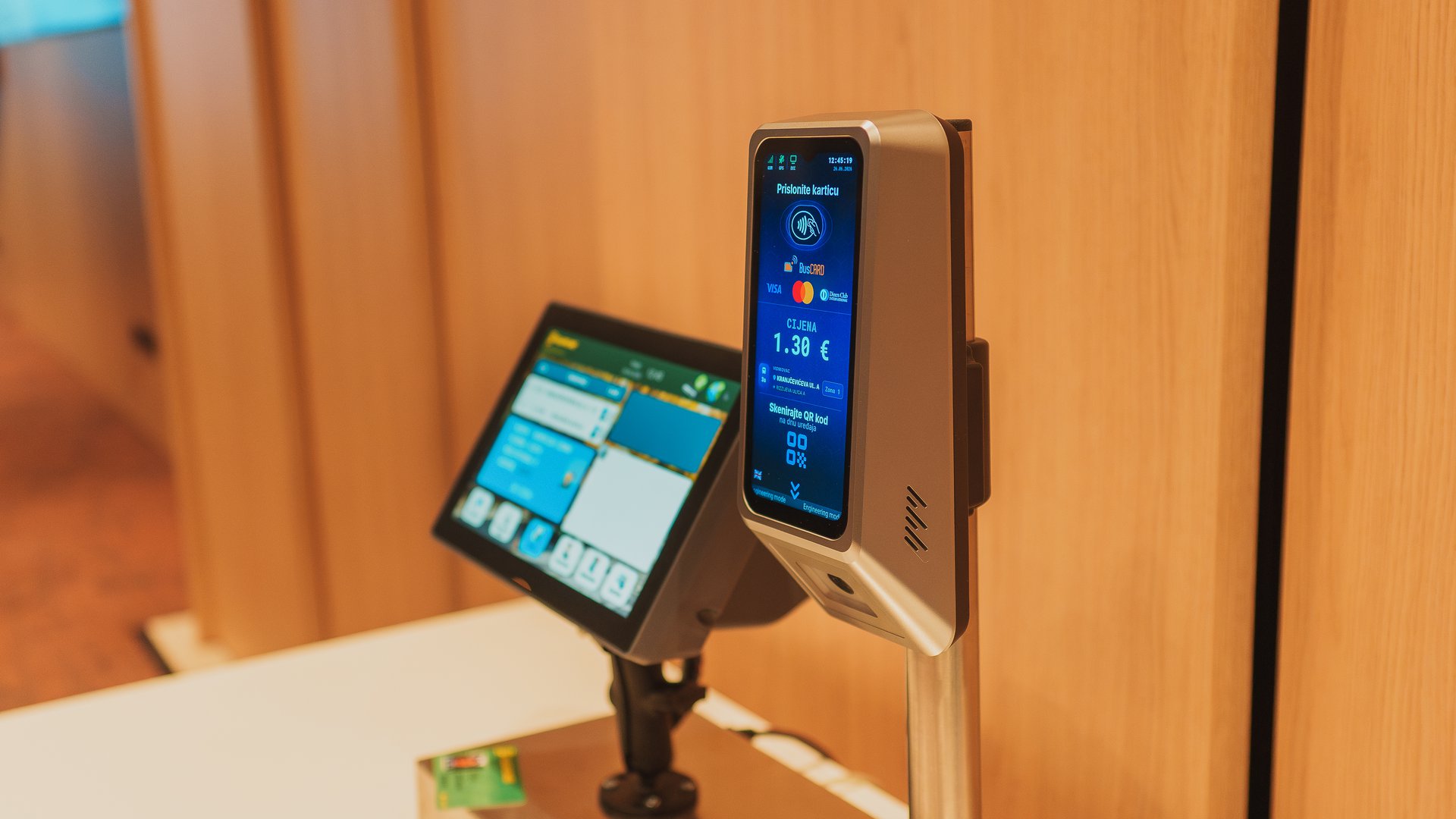
During the technical session, Mladen Pamić, Executive Director of PENTA, presented the development of the hardware platform and the concept of integrating multiple onboard systems into a single device. Participants had the opportunity to learn more about the development of the electronic modules, PCB design, the 3D enclosure model, and the architecture of the new DCC device, which enables:
• Driver check-in
• Route selection
• Ticket sales and validation
• EMV contactless payment
• GPS vehicle tracking
• Control of passenger information systems
• Communication with other onboard vehicle equipment
The EMV Transit Model - The Future of Public Transport Ticketing
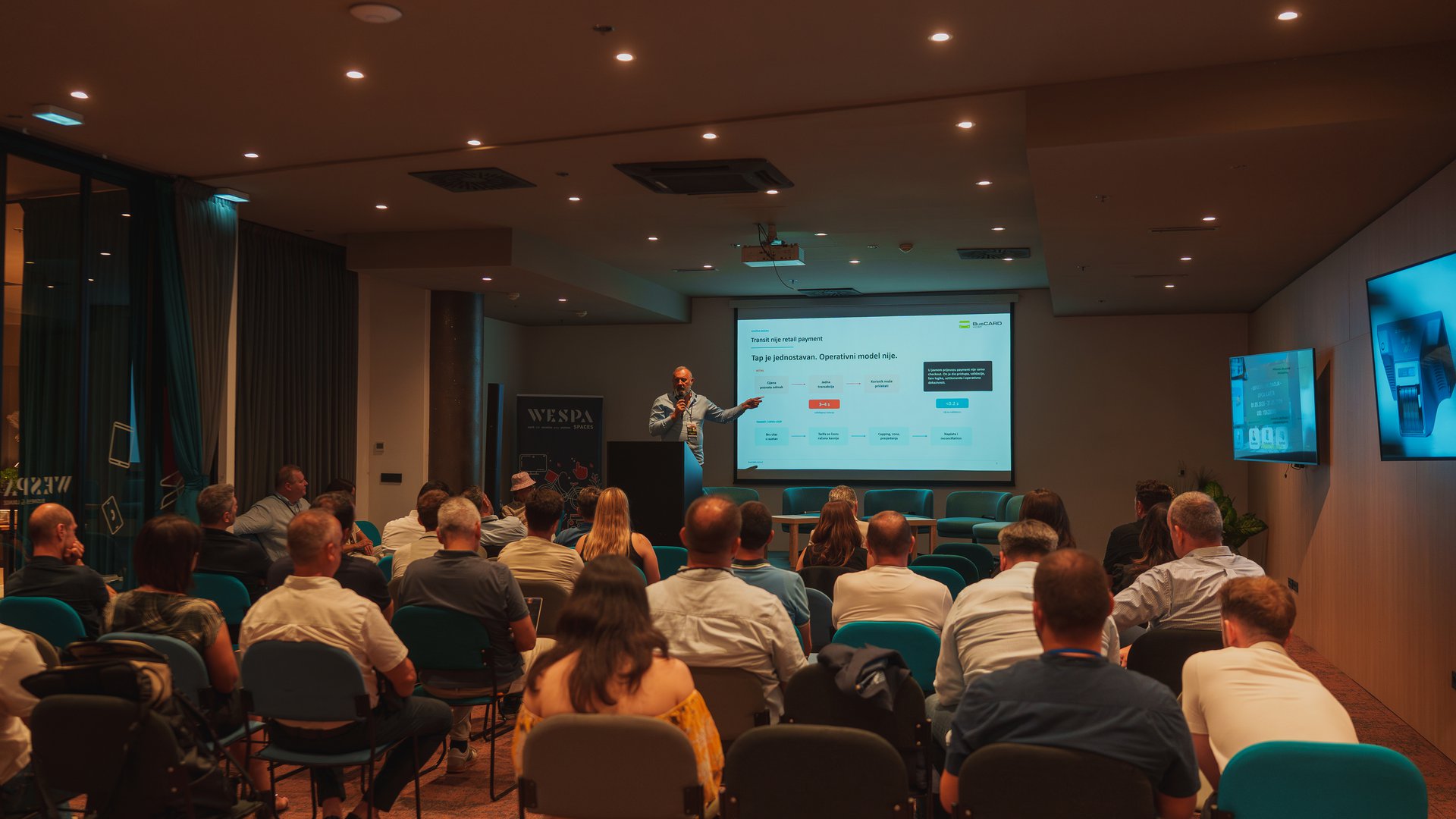
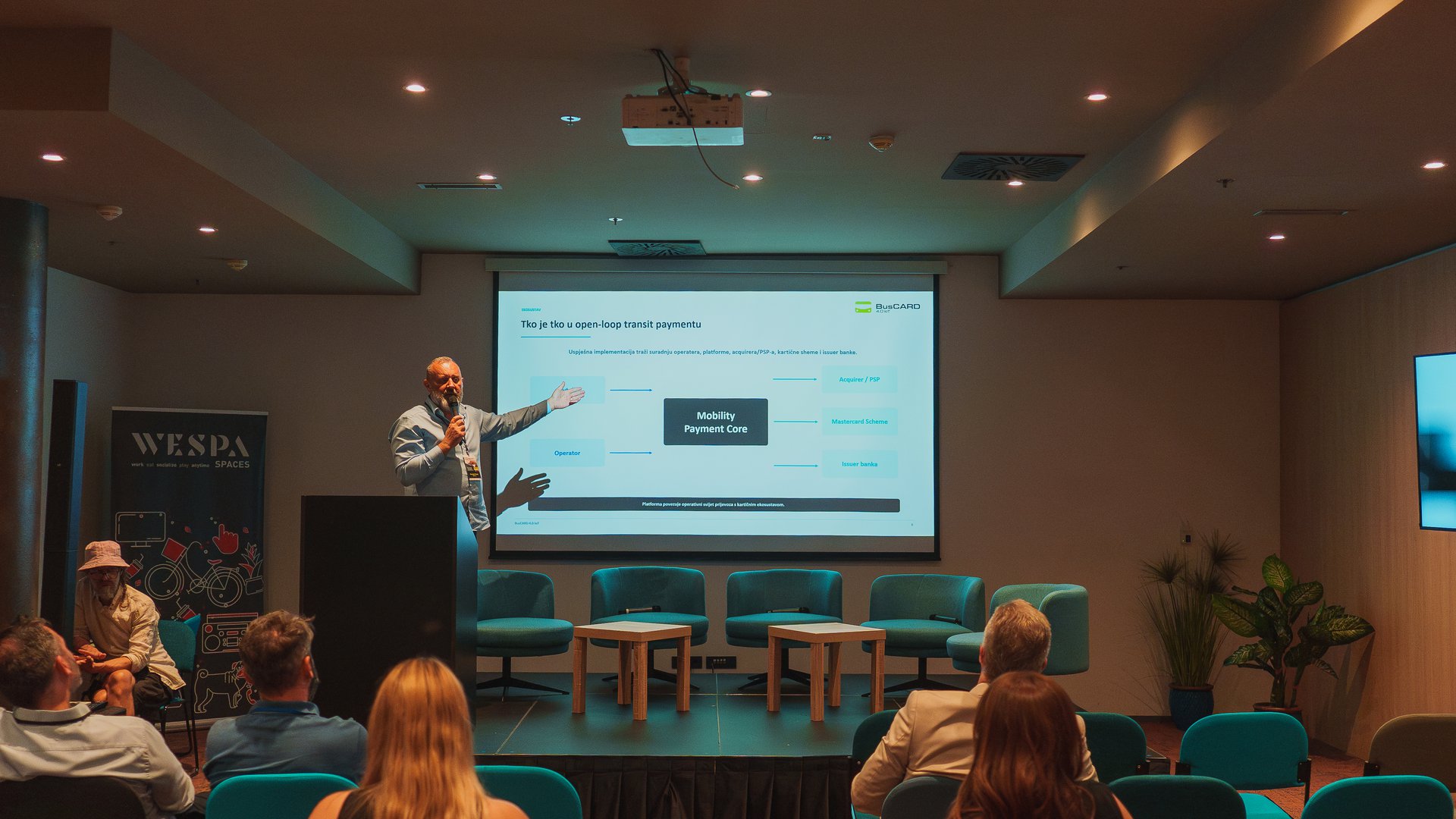
A significant part of the event was dedicated to the development of the EMV Transit model, an open-loop fare collection system that enables passengers to use their own contactless bank card, mobile phone, or smartwatch as a transport ticket. Danijel Matić from PENTA presented the capabilities of the solution, emphasizing that transaction speed is one of the key factors in delivering an outstanding passenger experience. In addition to fare collection, the presentation covered interoperability between multiple transport operators and payment service providers, as well as the potential application of the same concept in other smart mobility services such as bike sharing, parking, and electric vehicle charging.
Live Demonstration Attracted Strong Interest
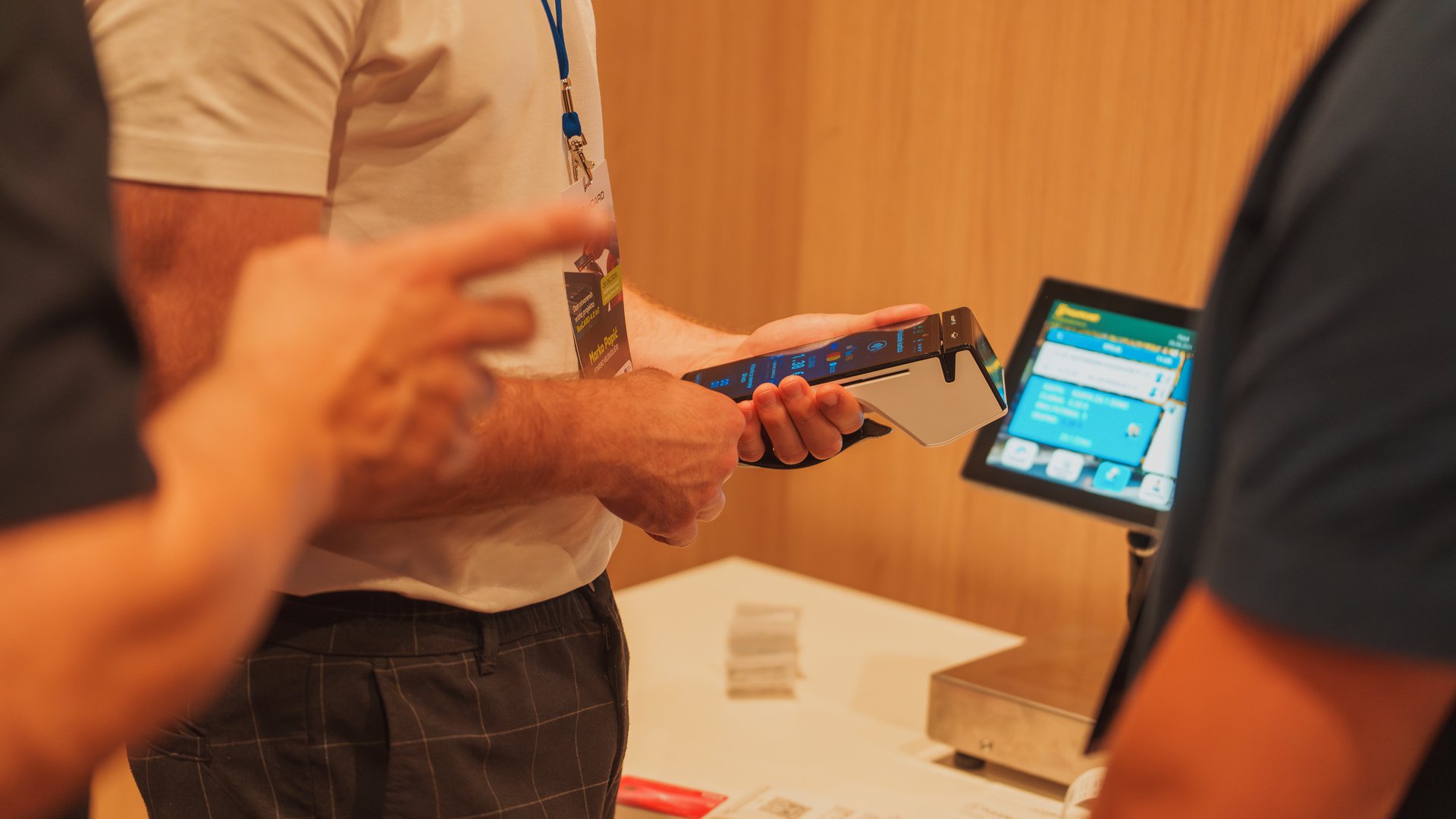
A dedicated demonstration area attracted considerable interest from participants, who had the opportunity to test the functional DCC prototype themselves. The live demonstration showcased the system's core functionalities, including driver check-in, route selection, ticket validation and sales, contactless card payment, ticket printing, GPS tracking, and control of onboard passenger information systems.
Expert Panel on the Future of the EMV Transit Model
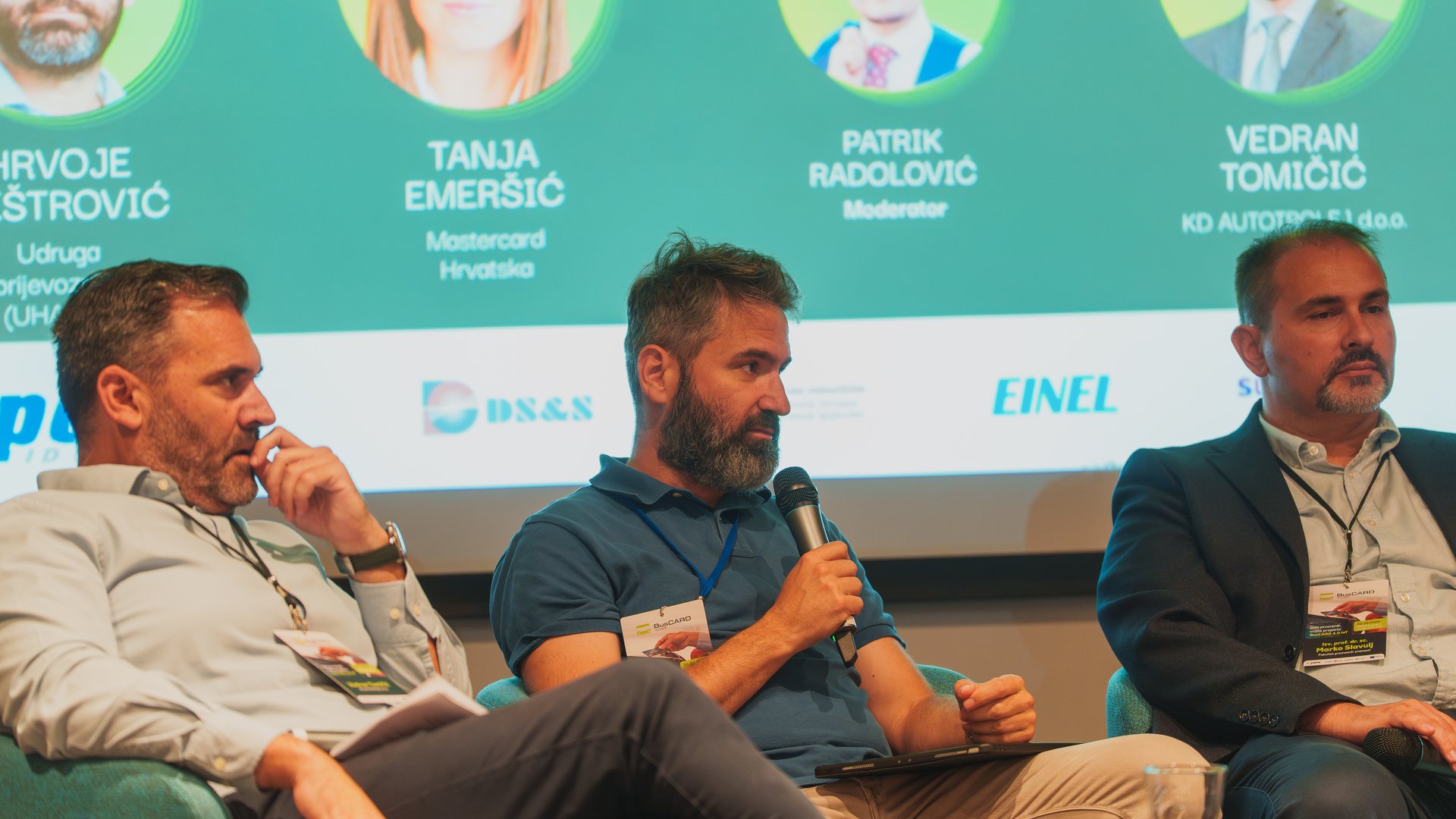
The professional programme concluded with a panel discussion entitled "EMV Transit as the Foundation of the Digital Transformation of Public Transport."
The panel featured:
• Hrvoje Meštrović, President of the Croatian Association of Public Scheduled Bus Operators
• Vedran Tomičić, Director of KD Autotrolej
• Tanja Emeršić, Mastercard Croatia
• Assoc. Prof. Marko Slavulj, PhD, Faculty of Transport and Traffic Sciences, University of Zagreb
The discussion focused on the challenges of implementing EMV Transit systems, interoperability between transport operators, cybersecurity, data protection, and the role of digitalisation in shaping the future of public transport.
The panel concluded that contactless EMV payment represents the natural direction for the evolution of public transport, while successful large-scale implementation will depend on close cooperation between transport operators, technology providers, payment industry stakeholders, and public institutions.
The Project Enters Its Final Development Phase
Although the industrial research phase has now been completed, the BusCARD 4.0 IoT project is entering its next development stage.
Over the coming months, the consortium will focus on system optimisation and testing under real operating conditions in cooperation with public transport operators, followed by the final preparations for market deployment.
PENTA would like to express its sincere gratitude to all project partners, panellists, guests, and participants whose presence contributed to the success of the Open Day and to the continued joint development of innovative solutions for smarter, more efficient public transport.
Video in which we're sharing highlights from the project's Open Day:
BusCARD 4.0 project's Open Day